

Meaningful Tourism Innovation Labs (MTILs) serve as regional hubs for the practical application of Meaningful Tourism principles and tools. They support tourism and hospitality stakeholders through training programs, workshops, roundtable discussions, and implementation services tailored to local, regional, and national organizations, businesses, and destinations.
Operating within a growing international network, MTILs facilitate the exchange of best practices and innovative solutions across countries. Guided by a practical and future-oriented framework, they help destinations and organizations navigate industry challenges while promoting long-term sustainability and systemic transformation.
Learn more about our work by downloading the Meaningful Tourism Innovation Lab Brochure (PDF)
Stay connected and follow us on LinkedIn for the latest news, events, and initiatives.
 The Meaningful Tourism Innovation Lab Nepal (MTIL Nepal) is the national hub for advancing Meaningful Tourism through innovation, collaboration, and practical capacity-building. Based in Lalitpur, in the historic Kathmandu Valley, MTIL Nepal connects tourism stakeholders across the country with global expertise, funding opportunities, and cutting-edge tools – including the use of AI – to create more resilient, sustainable, and value-driven tourism.
MTIL Nepal acts as a nexus for communication and collaboration in the tourism sector. It brings together tourism businesses (such as hotels, tour operators, attractions, transport companies, and destination management organisations), local and regional authorities, communities, educational institutions, researchers, development partners, and investors. The shared goal is to help the tourism sector in Nepal survive and thrive in challenging times, while making smart and responsible use of new opportunities – especially those offered by AI – within the Meaningful Tourism framework.
MTIL Nepal is part of a growing global network of Meaningful Tourism Innovation Labs, working closely with the Meaningful Tourism Centre (MTC), MTIL Dhaka in Bangladesh, MTIL West Africa in Ghana, MTIL Pakistan in Karachi, MTIL Mongolia in Ulaanbaatar, MTIL Indonesia in Bali, and a broad and growing circle of international strategic partners. Through this network, knowledge, tools, and experiences are shared across regions and sectors, positioning Nepal as a leading example of Meaningful Tourism in practice.
MTIL Nepal provides practical support to tourism companies, organisations, and destinations to improve both the quantity and quality of their business and their brand. It offers Meaningful Tourism tools and methods to analyse and enhance tourism products and stakeholder benefits, guidance to achieve Meaningful Tourism Movement Membership at three certification levels, and assistance in brand positioning, product development, and guest experience design under the Meaningful Tourism approach. MTIL Nepal also supports stakeholders in integrating AI and digital innovation in responsible and useful ways that fit the local context.
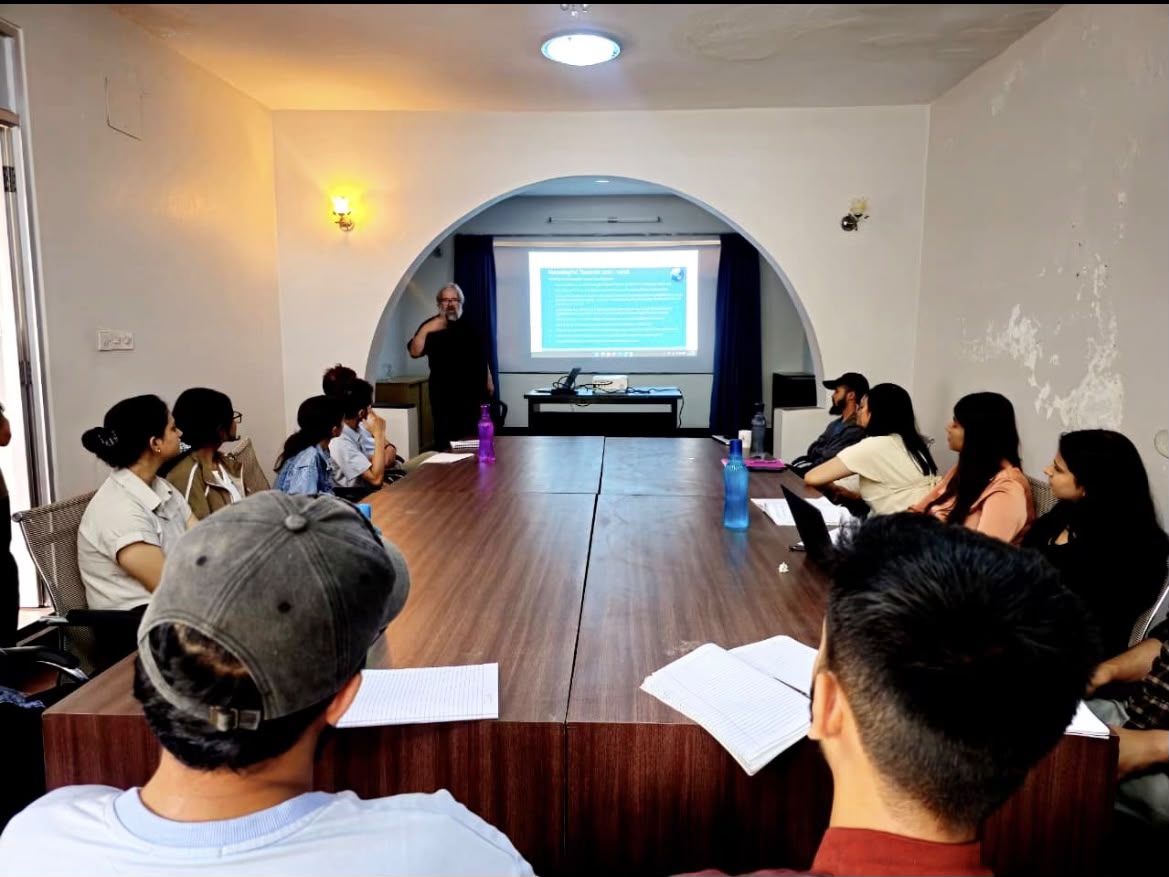 As part of the broader MTIL framework, MTIL Nepal serves as a platform for joint applications for third-party funding, subsidies, and tenders. Together with MTC and other national or international partners, MTIL Nepal can collaborate with stakeholders to apply for grants, co-design pilot projects and innovation initiatives, and develop destination-level programmes, including capacity-building, product innovation, and community-based tourism. Where feasible, MTIL Nepal supports efforts to secure funding or succeed in tenders from national and regional government bodies, international development organisations, private foundations, corporate partners, and tourism or innovation support schemes.
MTIL Nepal benefits from ongoing support from MTC and the global MTIL network through continuous PR and marketing online and offline, the provision of training materials and toolkits, and the organisation of online trainings, webinars, and podcasts. It also participates in fairs and tourism events and is part of the annual global MTIL conferences and network meetings. Through these activities, partners of MTIL Nepal gain increased visibility in both national and international arenas and become part of a recognised global movement for Meaningful Tourism.
MTIL Nepal Secretariat is led by Ms. Sapana Adhikari, who serves as the full-time Secretary of the Meaningful Tourism Innovation Lab Nepal. She coordinates stakeholder communication and networking, organises events and trainings, manages project documentation and follow-up, and acts as the main liaison with national and international MTIL partners. She is the first point of contact for information on membership, collaboration, events, and project opportunities with MTIL Nepal.
By engaging with MTIL Nepal, tourism businesses, destinations, and communities can strengthen their resilience and competitiveness in a rapidly changing tourism landscape. They can position themselves within the Meaningful Tourism Movement, benefit from global expertise, tools, and visibility, and access partnership and funding opportunities that might be difficult to obtain alone. Above all, working with MTIL Nepal allows stakeholders to contribute to a form of tourism that is beneficial, fair, and meaningful for all key stakeholders: guests, hosts, employees, companies, governments, and the environment.
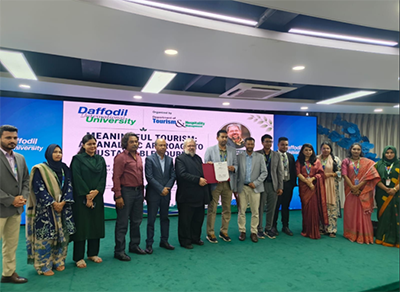
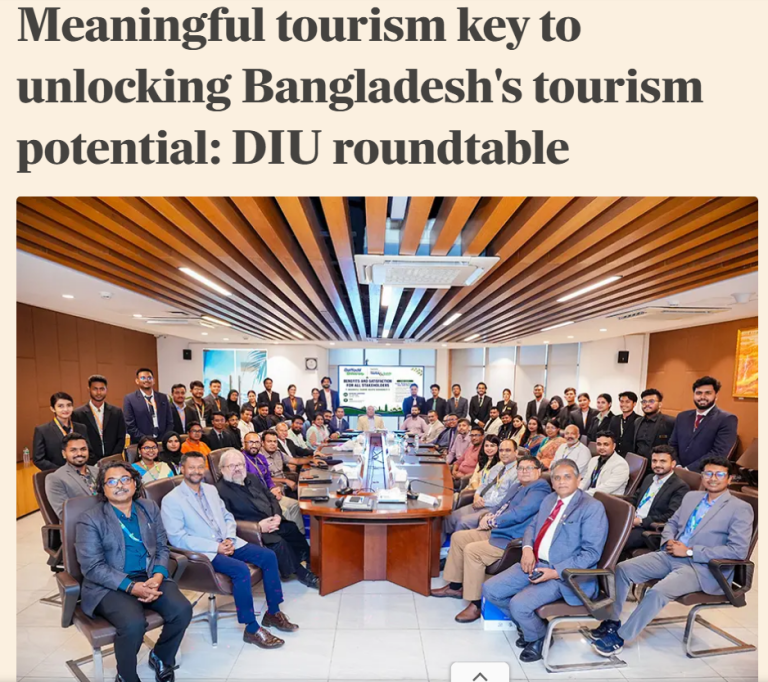
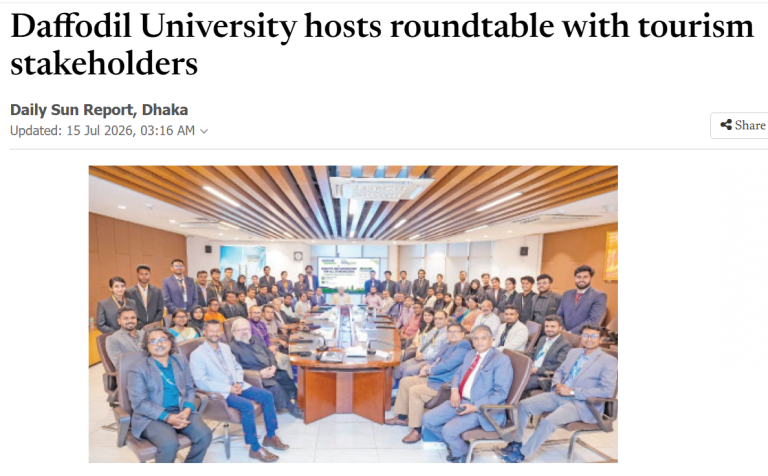
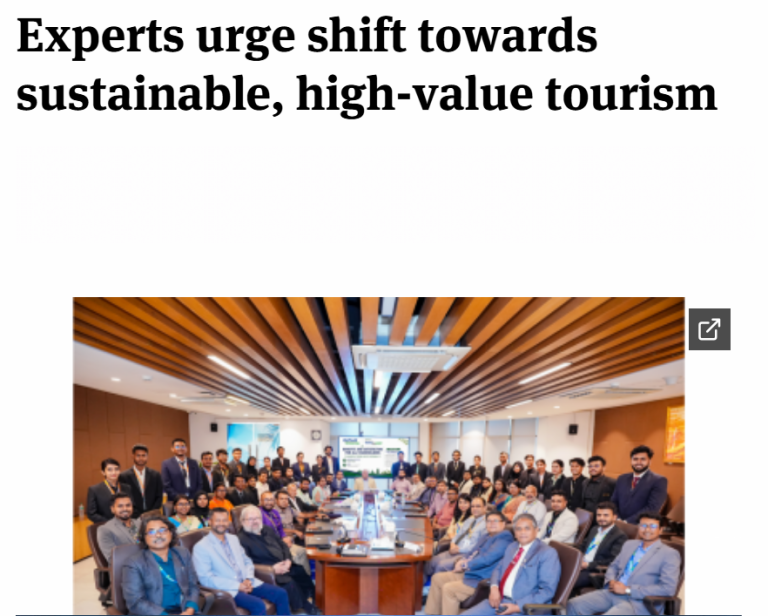
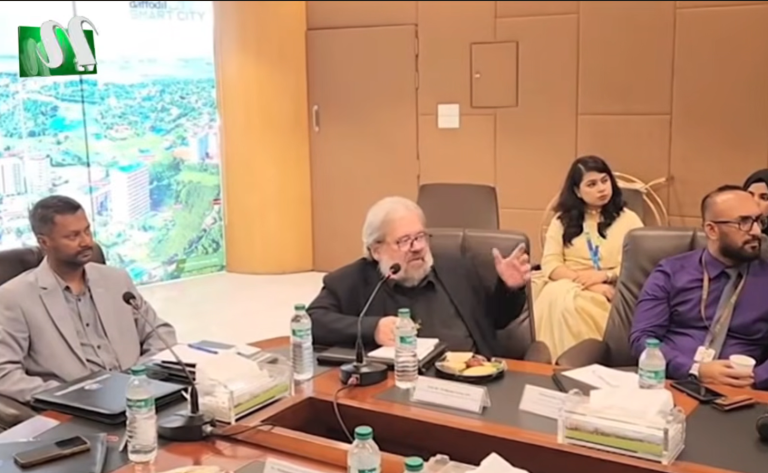
The Meaningful Tourism Innovation Lab (MTIL) Bangladesh is a dedicated platform established under the Department of Tourism and Hospitality Management at Daffodil International University (DIU). Daffodil International University is a private research university located in Daffodil Smart City, Savar, Bangladesh. It was established on 24 January 2002 under the Private University Act of 1992 and is the largest private university in Bangladesh by campus size. Housed on DIU’s renowned “green campus” outside Dhaka, and supported by the university with the largest number of tourism and hospitality students in Bangladesh – and the only one equipped with dedicated Tourism and Hospitality Labs – MTIL Bangladesh is uniquely positioned to shape the future of the country’s tourism development. Daffodil International University, through its Department of Tourism and Hospitality Management, is the institutional partner through whom MTIL Bangladesh has been established. Led by Dr. Indrajeet Mallick, the lab focuses on promoting “Meaningful Tourism” – a form of tourism that creates value for visitors and guests, host communities, tourism employees, tourism businesses and service providers, Government bodies, and the local and global environment. By combining academic knowledge, field research, and industry collaboration, MTIL works to support a more responsible, inclusive, and innovative tourism sector in Bangladesh.
Bangladesh is blessed with an exceptional diversity of tourism attractions, offering experiences from the coast to the hills and from vibrant cities to tranquil rural landscapes. Cox’s Bazar, with the world’s longest natural sea beach, attracts beach lovers, adventure seekers, and family travelers. Nearby destinations such as Inani Beach and Saint Martin’s Island add coral reefs, clear waters, and marine life to the coastal experience. In the southwest, the Sundarbans – the largest mangrove forest in the world and home of the Royal Bengal Tiger – offers unique opportunities for wildlife tourism, river cruises, and nature-based experiences.
In the northeast, the tea gardens of Sylhet and Srimangal create a green, rolling landscape ideal for eco-tourism and slow travel. Waterfalls, haors (seasonal wetlands), and indigenous villages add both cultural and natural diversity to the region. The hill districts of Rangamati, Bandarban, and Khagrachhari present stunning hillscapes, lakes such as Kaptai Lake, indigenous cultures, trekking routes, and panoramic viewpoints, making them attractive for adventure tourism, cultural immersion, and photography.
Bangladesh also has a rich portfolio of historical, archaeological, and spiritual sites. Paharpur (Somapura Mahavihara) and the mosques of Bagerhat are UNESCO World Heritage Sites that showcase ancient Buddhist and Islamic architecture. Sonargaon, the former capital of Bengal, preserves old palaces, streets, and folk heritage. In Dhaka, landmarks like Lalbagh Fort, Ahsan Manzil, the National Parliament Building, mosques, temples, and traditional markets offer strong urban and cultural tourism potential. Across the country, river tourism, village tourism, handicrafts, festivals, and diverse cuisines provide authentic experiences that can attract both domestic and international visitors.
Despite this richness, the overall tourism situation in Bangladesh remains underdeveloped compared to its true potential. Tourist arrivals are increasing, but the country is still not well-positioned in the global tourism market. Challenges such as limited infrastructure, inconsistent service quality, weak destination branding, lack of innovation, and insufficient community involvement often prevent tourism from delivering long-term, widespread benefits and satisfaction. In some areas, tourism development also puts pressure on the environment and local culture, highlighting the need for better planning, management, and stakeholder coordination.
The Meaningful Tourism Innovation Lab Bangladesh is needed to respond to these challenges and to guide tourism development in a more sustainable and impactful direction. MTIL aims to support research-driven strategies, community-based initiatives, and innovative tourism products that respect local culture and nature while creating real economic opportunities. By working closely with, industry partners, government bodies, and local communities, the lab seeks to transform Bangladesh’s tourism potential into Meaningful experiences that benefit and satisfy people, places, and the planet. Under the leadership of Dr. Indrajeet Mallick, MTIL aspires to make Bangladesh a regional model for Meaningful, inclusive, and sustainable tourism.
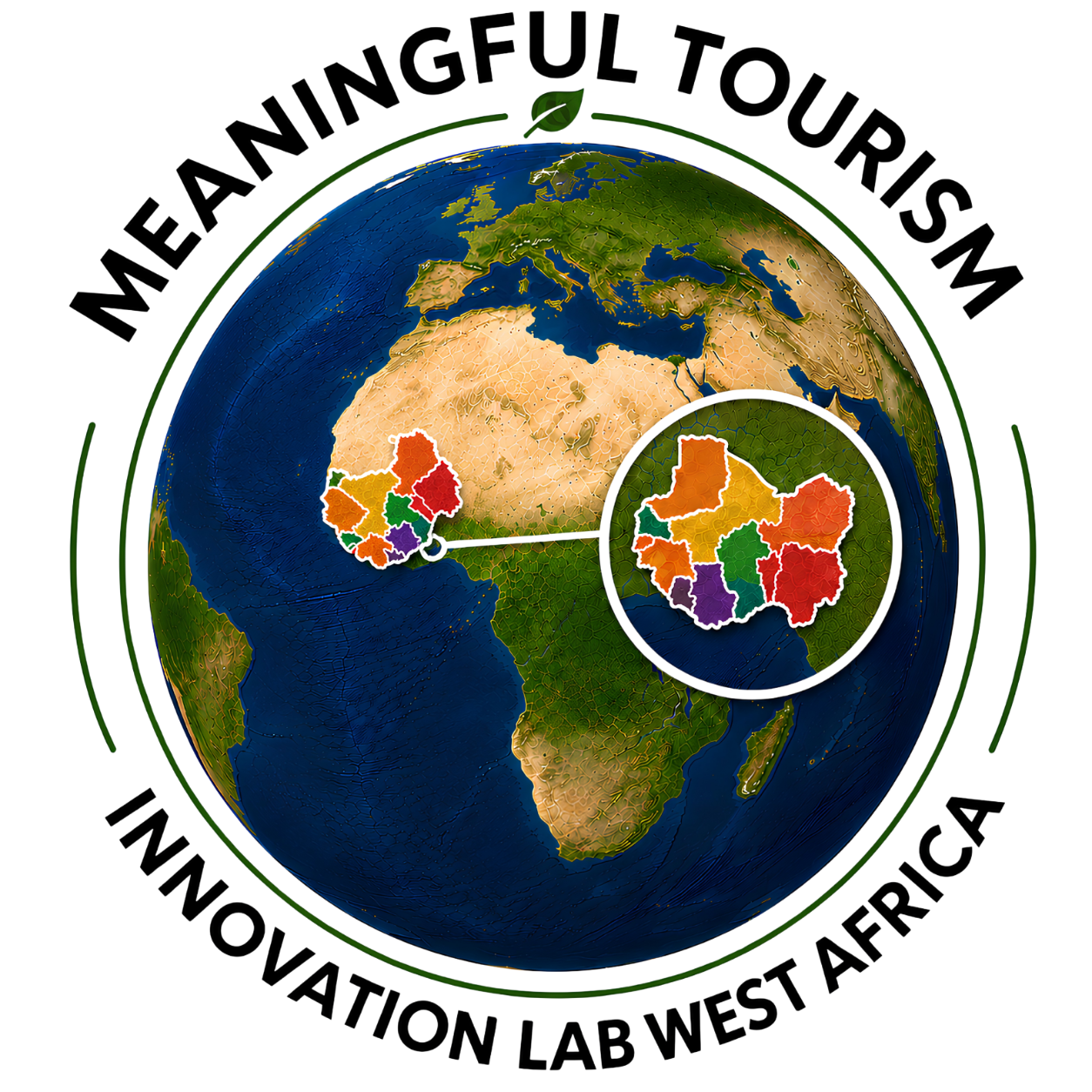 MTIL Ghana is the first Meaningful Tourism Innovation Lab in Africa, established through a newly signed Memorandum of Understanding with the African Tourism Research Network (ATRN), a respected tourism NGO based in Ghana. This partnership positions Ghana as the West African hub for Meaningful Tourism – a model that focuses on creating balanced benefits for local residents, visitors, employees, entrepreneurs, the environment, and governments.
MTIL Ghana is hosted and implemented by the African Tourism Research Network (ATRN), a well-established organisation with a strong track record in tourism research, community engagement, and sustainable destination development in Ghana and the wider region. With deep local knowledge and regional reach, ATRN provides the foundation for piloting and scaling Meaningful Tourism approaches across West Africa.
The lab is led by Emmanuel Frimpong, a Certified Trainer of the Meaningful Tourism Centre for several years, who brings extensive experience in tourism capacity-building, training, and project implementation. His strong connections with local communities, tourism SMEs, and public authorities, combined with a practical understanding of African tourism realities, ensure that MTIL Ghana operates as a hands-on innovation space where Meaningful Tourism concepts are turned into concrete actions.
MTIL Ghana focuses on building knowledge, capacity, and innovation in tourism through a range of activities. These include Meaningful Tourism workshops and certified training programmes for tourism professionals, SMEs, destination management organisations, and public agencies, as well as tailored capacity-building support for community-based tourism initiatives and youth interested in tourism careers. In addition, MTIL Ghana engages in applied research on visitor behaviour, community benefits, and destination competitiveness, and offers advisory services for destinations, NGOs, and private sector partners seeking to design and implement Meaningful Tourism strategies.
As an innovation lab, MTIL Ghana also tests and develops new tourism products, business models, and community partnerships in real-life settings. Pilot projects are designed to demonstrate how tourism can generate tangible benefits for host communities while enhancing visitor experiences and protecting the environment. Successful pilots are documented and scaled up within Ghana and shared with partners across West Africa.
MTIL Ghana is embedded in the global network of Meaningful Tourism Innovation Labs (MTILs) coordinated by the Meaningful Tourism Centre. As the third MTIL worldwide and the first in Africa, it serves as a reference point for future labs planned in Africa and Asia. Through this international network, MTIL Ghana exchanges experiences with labs in other regions, contributes African perspectives to global tourism debates, and supports partners interested in establishing their own Meaningful Tourism Innovation Labs.
The lab serves a wide range of stakeholders in the tourism ecosystem, including tourism SMEs and entrepreneurs, destination management organisations and local authorities, hotels, tour operators, attractions, and community-based tourism initiatives. MTIL Ghana also collaborates with universities, TVET institutions, tourism students, NGOs, and development partners working at the intersection of tourism and community development, creating a platform for dialogue, learning, and joint projects.
Based in Ghana, MTIL Ghana has a West Africa-wide mandate, building a strong national showcase while working with partners throughout the sub-region. By anchoring the first African Meaningful Tourism Innovation Lab in Ghana, MTIL Ghana aims to position West Africa as a leader in tourism that is not only sustainable, but truly meaningful – delivering lasting value for visitors, businesses, local communities, and the natural and cultural heritage of the region.
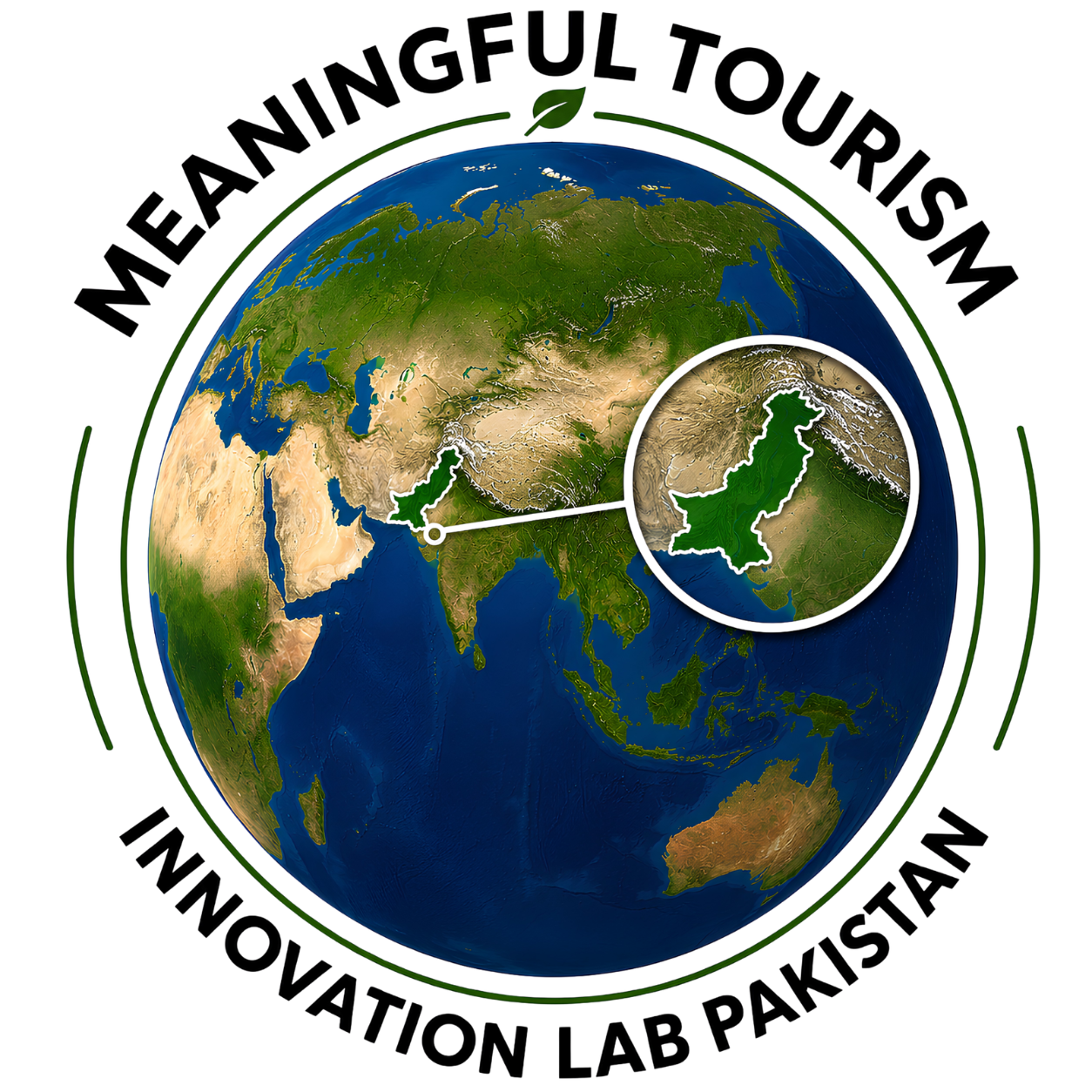
The Meaningful Tourism Innovation Lab Pakistan is a dedicated initiative focused on reshaping Pakistan’s tourism sector towards a more responsible, inclusive, and future-ready direction. Established in partnership with Born Xplorer, the Lab transforms innovative ideas into practical, sustainable tourism solutions that benefit travellers, local communities, and Pakistan’s natural and cultural heritage. As a collaborative hub, it brings together professionals, youth, entrepreneurs, and community groups to learn, co-create, and test new tourism experiences rooted in authenticity, respect, and sustainability.
The Lab is led by Umar Khan, a tourism professional educated in Germany and certified trainer of the Meaningful Tourism Centre, as well as founder and CEO of Born Xplorer. Drawing on international academic training and local experience, he and his team engage Pakistan’s tourism landscape through a structured, value-driven approach that aligns global best practices with local realities.
Pakistan is one of the world’s most diverse destinations. In the north, it is home to some of the planet’s highest peaks, while in the south, the coastline along the Arabian Sea offers opportunities for SCUBA diving and marine exploration in remarkable depth and variety. Between these extremes lie vast deserts, fertile plains, and coastal ecosystems, along with a rich tapestry of cultures, languages, traditions, and distinctive culinary experiences that range from regional street food to elaborate traditional cuisines. From UNESCO World Heritage Sites such as Mohenjo-daro, Taxila, the Fort and Shalamar Gardens in Lahore, and the Buddhist ruins of Takht-i-Bahi, to Sufi shrines, vibrant urban centres, and remote rural communities, the country offers a wide spectrum of experiences. Domestic tourism has grown rapidly in recent years, while international interest in adventure, cultural, and faith-based tourism is also rising, creating new economic opportunities, especially in rural and peripheral regions.
At the same time, this rapid and often unplanned tourism growth has brought challenges. Fragile mountain and marine ecosystems, water resources, and waste management systems are under pressure. Many communities lack the skills and tools to manage tourism flows, protect their cultural identity, and ensure that benefits are shared fairly. Service standards and visitor management remain uneven, and awareness of how to integrate sustainability, inclusivity, and community participation into tourism products from the outset is still limited. Without guidance, tourism risks damaging the very assets that make Pakistan unique; with the right approach, it can instead drive conservation, strengthen community well-being, and long-term prosperity.
The Meaningful Tourism Innovation Lab Pakistan responds to this need by promoting a shift from volume-based to value-based tourism. The focus is not only on how many visitors come, but on the quality of their experience, the depth of their connection with local people, cultures, and places, and the positive impact on host communities and environments. The Lab conducts workshops, training programs, and tourism innovation fairs that bring together guides, tour operators, communities, youth, and local leaders to design and refine meaningful tourism products and experiences. Its core priorities include initiatives that highlight local stories, crafts, food, and traditions; create decent work opportunities for youth and women; respect religious, cultural, and environmental sensitivities; strengthen community participation and local ownership; and showcase Pakistan’s full diversity, from the highest mountains in the north to the underwater worlds of the Arabian Sea, and from everyday cultural life to UNESCO-recognized heritage.
Born Xplorer is a Pakistan-based Destination Management Company (DMC), established in 2016 and headquartered in Karachi. It provides inbound and outbound tourism services, customized travel, MICE (Meetings, Incentives, Conferences and Exhibitions), accommodation and transportation arrangements, visa facilitation, and destination services. Born Xplorer focuses on creating distinctive tourism experiences and strengthening connections between Pakistan and international tourism markets, while promoting responsible and sustainable approaches to travel that align with the principles of Meaningful Tourism.
The Sustainable Tourism Development Organization of Pakistan (STDOP) is a non-profit, voluntary platform linked to Born Xplorer’s CSR and sustainability efforts. STDOP raises awareness on sustainable tourism and environmental responsibility, engages communities and volunteers in on-the-ground initiatives, and supports plantation and environmental-awareness activities, particularly in Sindh. Through education, advocacy, and practical community engagement, STDOP promotes local participation and stewardship in tourism development.
Together, Born Xplorer, STDOP, and the Meaningful Tourism Innovation Lab Pakistan are contributing to a more responsible and meaningful tourism ecosystem in the country. Through tourism practice, awareness, education, stakeholder engagement, and community-oriented initiatives, and in close cooperation with the Meaningful Tourism Centre, they support the exchange and application of Meaningful Tourism knowledge and approaches in Pakistan. Their common aim is to ensure that tourism growth generates fair and inclusive economic benefits, protects and celebrates cultural and natural heritage—including Pakistan’s UNESCO World Heritage Sites—and offers visitors deeper, more authentic, and more meaningful experiences, from the highest peaks of the northern ranges to the great depths of SCUBA diving in the Arabian Sea.
Follow us on Facebook for the latest news, updates, and activities.
 The Meaningful Tourism Innovation Lab Mongolia is a dedicated initiative created to support a new generation of tourism in the country—one that is grounded in responsibility, local benefit, and long-term resilience. Developed together with the partner organisations Sustainable Tourism Development Center of Mongolia (STDC) and the Tourism Education and Development Society of Mongolia, the Lab provides a structured space for ideas, experimentation, and cooperation within the tourism sector. It brings together tour operators, guides, community leaders, young people, and small businesses to rethink how tourism is designed and delivered, helping them move from conventional, short-term products to experiences that are meaningful for visitors and genuinely beneficial for Mongolian communities, culture, and nature.
Led by Dr Gansukh Damba, a certified trainer of the Meaningful Tourism Centre, the Meaningful Tourism Innovation Lab Mongolia builds on deep local knowledge and international best practice. Mongolia offers a highly distinctive tourism landscape, with endless grassland steppe, the Gobi Desert, dramatic alpine mountains, pristine freshwater lakes, and a living nomadic culture that continues to shape everyday life. Traditional gers (yurts), horseback culture, Buddhist monasteries, spiritual sites, and world-famous festivals such as Naadam provide powerful attractions for visitors seeking nature, culture, and adventure. Wildlife watching, trekking, horse and camel expeditions, and immersive stays with nomadic families are increasingly popular forms of travel, demonstrating strong potential for experience-based and community-based tourism. At the same time, Mongolia faces challenges linked to seasonality, fragile ecosystems, long travel distances, climate vulnerability, and limited infrastructure outside major urban areas, which makes thoughtful, responsible tourism development essential.
In close collaboration with the Sustainable Tourism Development Center of Mongolia and the Tourism Education and Development Society of Mongolia, the Lab will organise workshops, capacity-building trainings, and tourism innovation fairs across the country. These activities support tour operators, guides, community-based tourism groups, and local authorities in designing and improving responsible tourism products and services. Special attention is given to initiatives that highlight local stories, crafts, gastronomy, music, festivals, and nomadic heritage; that create decent work and income opportunities for young people, women, and rural households; and that protect sensitive environments such as grasslands, forests, lakes, and sacred or culturally important landscapes. By introducing practical tools for destination stewardship, impact management, and community participation, the Lab encourages a more professional and co-ordinated approach to tourism development in Mongolia.
The Sustainable Tourism Development Center of Mongolia (STDC) is a non-governmental organisation and a leading tourism research institute in Mongolia. Established in 2006, its main mission is to contribute to the sustainable tourism development of Mongolia. Its work focuses on designing, monitoring, evaluating, and improving sustainable tourism practices and principles. STDC implements a wide range of project programmes, including sustainable tourism development planning, hospitality management, training, and consultancy.
The Tourism Education and Development Society of Mongolia is a non-governmental organisation dedicated to advancing education, research, and professional consulting services in the Mongolian tourism and hospitality industry. The organisation collaborates with other industry associations and organisations, such as mto.mn, to organise international and national activities that strengthen sector capacity and cooperation.
By combining the on-the-ground expertise of the Sustainable Tourism Development Center of Mongolia and the Tourism Education and Development Society of Mongolia with the certified training and guidance of Dr Gansukh Damba, the Meaningful Tourism Innovation Lab Mongolia acts as a bridge between local stakeholders and the international community of meaningful tourism practitioners. Through knowledge exchange, mentoring, networking, and joint projects, the Lab supports Mongolia’s journey towards becoming a destination where tourism is not only enjoyable and inspiring for visitors, but also respectful, regenerative, and genuinely beneficial for the people, cultures, and landscapes that make Mongolia so distinctive.
Meaningful Tourism Indonesia (MTIL Indonesia) is a national initiative dedicated to transforming tourism in Indonesia into a more responsible, inclusive, and value‑driven experience for all stakeholders – visitors and guests, host communities, tourism employees, tourism businesses and service providers, government bodies, local and global environment. Aligned with the global Meaningful Tourism framework, MTIL Indonesia works to ensure that tourism growth in the country not only increases visitor numbers, but also enhances local well-being, protects culture and nature, and creates long-term benefits and satisfaction. By connecting policymakers, educators, practitioners, businesses, and local communities, MTIL Indonesia serves as a platform for knowledge exchange, capacity building, and implementation of best practices in Meaningful and sustainable tourism across Indonesia’s diverse destinations.
Language Assistance Co. and Triatma Mulya University (UNTRIM) are key partners supporting MTIL Indonesia in realizing this vision. Language Assistance, based in Denpasar, Bali, is the first registered sworn translation office in Bali and a certified translation service centre in Indonesia, providing sworn and certified translations in major world languages as well as non-sworn services in more than ten local and foreign languages. Triatma Mulya University is a comprehensive higher-education institution under the Triatma Surya Jaya Foundation with 15 study programmes across management, tourism, health, engineering, education, and related fields, delivered through campuses in Dalung, Jembrana, and Renon, Denpasar. Together, these partners strengthen MTIL Indonesia’s ability to communicate accurately and sensitively with global audiences while educating and preparing skilled, ethical human resources who can apply Meaningful tourism principles in the field.
Indonesia is one of the world’s most dynamic tourism destinations, with rich cultural heritage, diverse ethnic groups, and extraordinary marine and terrestrial biodiversity. Major attractions include Bali; Yogyakarta and the Borobudur and Prambanan temples in Central Java; Lake Toba in North Sumatra; Mount Bromo and Ijen in East Java; Labuan Bajo and Komodo National Park in East Nusa Tenggara; Lombok and the Gili Islands in West Nusa Tenggara; Raja Ampat in West Papua; Wakatobi in Southeast Sulawesi; the Thousand Islands near Jakarta; Mandalika in Lombok; Tanjung Kelayang in Belitung; Tanjung Lesung in Banten; and Morotai in North Maluku. In Bali itself, internationally renowned attractions include Kuta, Legian, Seminyak, Nusa Dua, Tanjung Benoa, Sanur, Ubud and its rice terraces, Tanah Lot and Uluwatu temples, the traditional villages of Penglipuran and Tenganan, the cool highlands of Bedugul, Kintamani and Mount Batur, as well as Nusa Penida, Nusa Lembongan, and Nusa Ceningan. Rapid tourism growth in all these destinations brings both opportunities and challenges – from pressure on natural resources and cultural commodification to social inequality and uneven visitor experiences. MTIL Indonesia is therefore essential to guide this growth in a balanced way, ensuring that tourism development respects local cultures, empowers communities, supports small and medium enterprises, and protects the environment, helping Indonesia shift from volume‑based tourism to value‑based tourism where each visit contributes positively to people, planet, and shared prosperity.
MTIL Indonesia is led by Professor I Nengah Subadra, a respected academic and practitioner in tourism development who has long been engaged in community-based, sustainable, and culturally rooted tourism initiatives in Indonesia. Professor Subadra is also a certified trainer of the Meaningful Tourism Centre, bringing internationally recognised expertise to the Indonesian context. Under his leadership, MTIL Indonesia integrates research, education, policy advice, and field-based programmes to create practical models of Meaningful tourism that can be replicated in various destinations across the archipelago. Working closely with partners, Professor Subadra committed to positioning Indonesia as a global example of how tourism can be both competitive and deeply Meaningful for future generations.